

On Saturday, Nov. 14, John Mulaney tried to sell America a product: a live-in, 24-hour elder care provider that is completely free. And also your sister.
It was a fake ad. It may also be the most accurate thing on television this year.
I've spent years supporting family caregivers, and I have never seen one clip say what they feel so fast. Even with my daily interaction with caregivers, I found myself asking, why (among all of the others yelling about caregiving) did this bit go so viral?
If you missed it, the sketch is a fake ad. John Mulaney pitches a care system for aging parents called Sister. One text, "dad fell," and your actual sister will "quit her job, break her lease and move halfway across the country to take care of him," all for free. Jane Wickline plays the sister, who spends the sketch on the phone with doctors, insurers and pharmacists. "Speak to human. Speak to human," she tells her speakerphone.
Nobody in the sketch asks what this all costs her. The clip drew more than 23 million views on X.
The sketch is funny because the system runs on it
Family caregiving is not a niche or isolated challenge. AARP and the National Alliance for Caregiving counted 63 million family caregivers in 2025, nearly 1 in 4 adults and 20 million more than in 2015. Three in five are women. Nearly 1 in 4 give 40 or more hours a week, and nearly half have taken a major financial hit, such as taking on debt, stopping savings or being unable to afford food.
The bill lands on them. AARP's October 2026 study found caregivers spend an average of $11,508 a year out of pocket, up 59% from $7,242 in 2021. That is about 31% of household income on average, and 76% for caregivers in households earning under $40,000.
As alluded to in the Sister sketch, women carry more of it. In an Edward Jones, Age Wave and Harris Poll study from October 2026, women who financially support a loved one age 65 or older averaged 118 hours of care a month, against 98 for men. They were also more likely to have stopped or cut back on saving, 42% to 35%. And 81% of these caregivers said they would reduce their own financial security to support the person in their care.
We asked caregivers directly. In our own survey of 1,000 unpaid caregivers, 63% had cut their hours, taken time off or left a job because of caregiving. Another 36% didn't know government programs or community resources existed. And 40% wanted a program that paid them for their hours.
Caregivers fund the work out of their own careers and savings. Many don't know help exists. Many would take pay if it were offered. The sketch skips the part where anyone offers.
Pay is real, but most families never hear about it
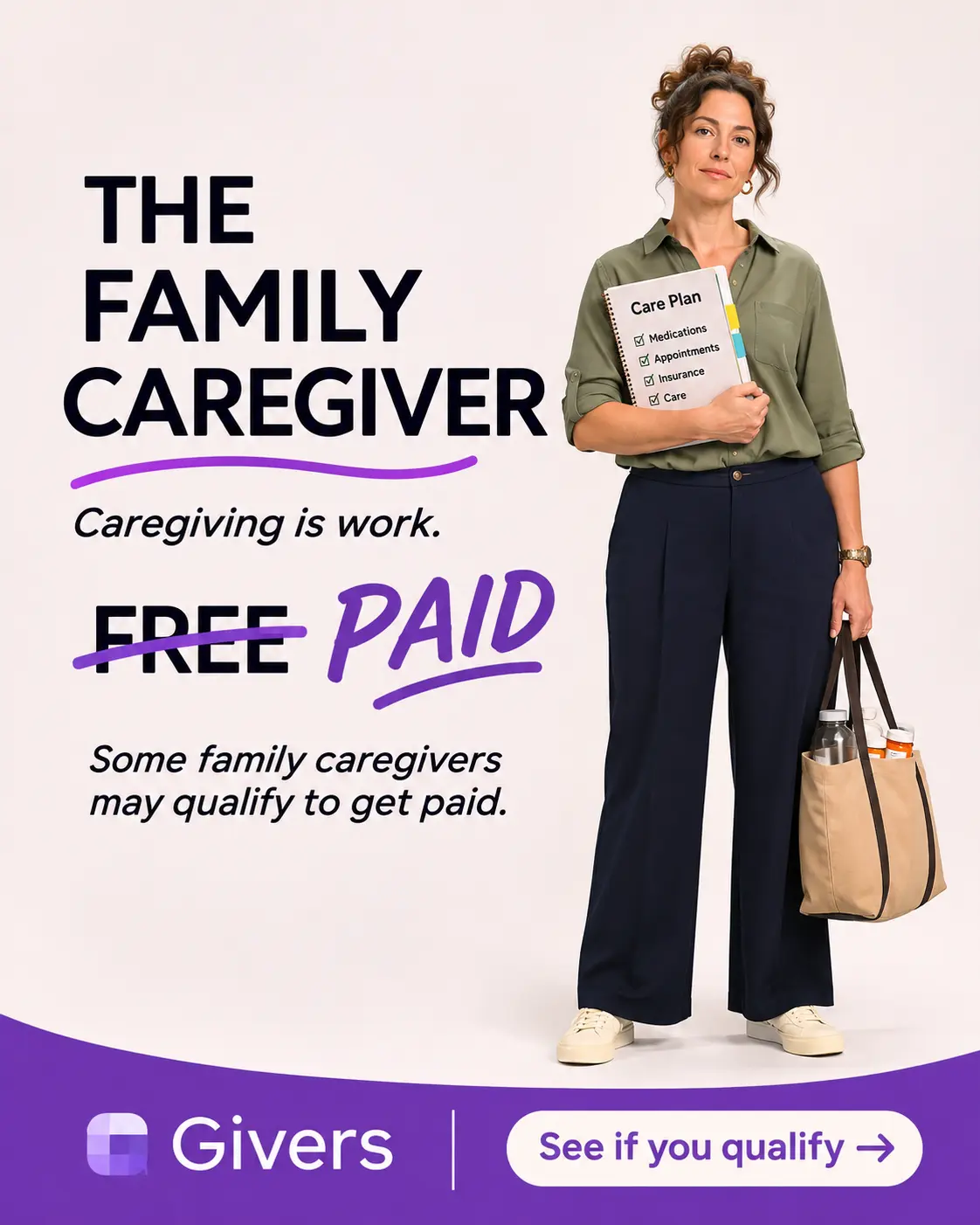
AARP's report found 11.2 million family caregivers now receive some compensation, through programs that include Medicaid home and community-based self-direction waivers. Most caregivers are still unpaid, and 68% support programs that pay family caregivers.
Here is what I wish every sister in America knew. In many states, there are programs (most often funded by Medicaid) that can pay a family member to provide care at home. The rules vary by state and by whether your loved one qualifies, so this is not a promise, but it is a question worth asking before you cut your hours.
The problem is that these programs are still too mystified and under-publicized. We believe lowering the barriers to accessing support, which is why we constantly democratize guides, such as Can I Get Paid to Care for My Parents? or Already Caregiving for Free? How to Start Getting Paid.
At Givers, we go a step further than sharing information – we help caregivers enroll in programs and then provide them with ongoing training, support, and payment for the work that they are doing.
Thanksgiving is the best caregiving meeting you will get this year
November is National Family Caregivers Month, and this year's theme is "Care Connects Us." This national month of recognition, and the SNL skit, provides silently suffering family members an opportunity to broach the subject of caregiving during the holidays.
Most families skip this talk. Only 33% of financial caregivers say they planned and discussed the role ahead of time, and just 22% felt "extremely prepared" when it began. Next Thursday, siblings who may live across time zones will sit at one table. The person needing care might be right there, and you will see how they are really doing. That makes it the best moment of the year to be in the 33%.
Some quick questions to start the conversation:
The sister in the sketch got the job because nobody chose anyone. Families don't need a perfect plan. They need to pick on purpose, before the default picks for them.

What would change this
Families can do their part, but they can't fix the structure alone. Policy should treat family caregivers as part of the care workforce, not as a free supplement to it. Policymakers have the opportunity to change our care ecosystem for the better.
If you are the sister, brother, grandkid, or loved one that is shouldering the care this is your reminder: you are not failing. You are doing a job, and a job should come with support just like any other. Bring that to the table next Thursday.
Take care,

Founder & CEO, Givers


