
North Carolina caregiver pay and support

Find a program that can help you care for a loved one.
Header image
Upload UI elementUpload UI element
275,000+
Families supported
93%
Caregiver satisfaction
★★★★★
5.0
Google rating · 50+ reviews
SOC2
HIPAA
Certified compliant
If you qualify

Get what you need to keep caring.

We help you focus on what really matters — you and your loved one.

Pay

We'll help you jump all of the hurdles into state programs that pay family caregivers. If qualified, you can earn up to
$960
/mo

Support

If enrolled you'll get a plan, licensed social worker, nurse, and hands-on training to provide the best care you can.
What's happening in 
North Carolina
Federal Medicaid cuts signed into law July 2025
The 2025 Budget Reconciliation Act (H.R. 1), signed July 4, 2025, is projected to reduce federal Medicaid spending by $911 billion over ten years. HCBS programs — including those that fund family caregiver pay — are optional under federal law and are expected to be among the first services states reduce as federal funding gaps emerge starting in late 2026.
Read more →
North Carolina Coordinated Caregiving (SFC) program active through CAP/DA waiver
North Carolina's Coordinated Caregiving program, the state's SFC pathway available through the CAP/DA waiver, continues to operate under its current CMS approval. The program allows spouses to be paid in certain circumstances. Families should contact NC Medicaid to confirm current enrollment availability and stipend rates.
Read more →
How It Works

The fastest path to caregiver pay and support in North Carolina

FIND SUPPORT NOW

Who are you caring for?

1

Check your eligibility

Answer a handful of questions without the clunky government websites.

2

Enroll in a program

We'll help you jump through the enrollment hurdles.

3

Meet your care team

Download the Givers app and get connected.

4

Document your daily care

Submit daily notes for proof of work and review.

5

Get supported and paid

Receive ongoing payment, coaching, and training.

We exist to make caregiving easier

See the Givers difference.

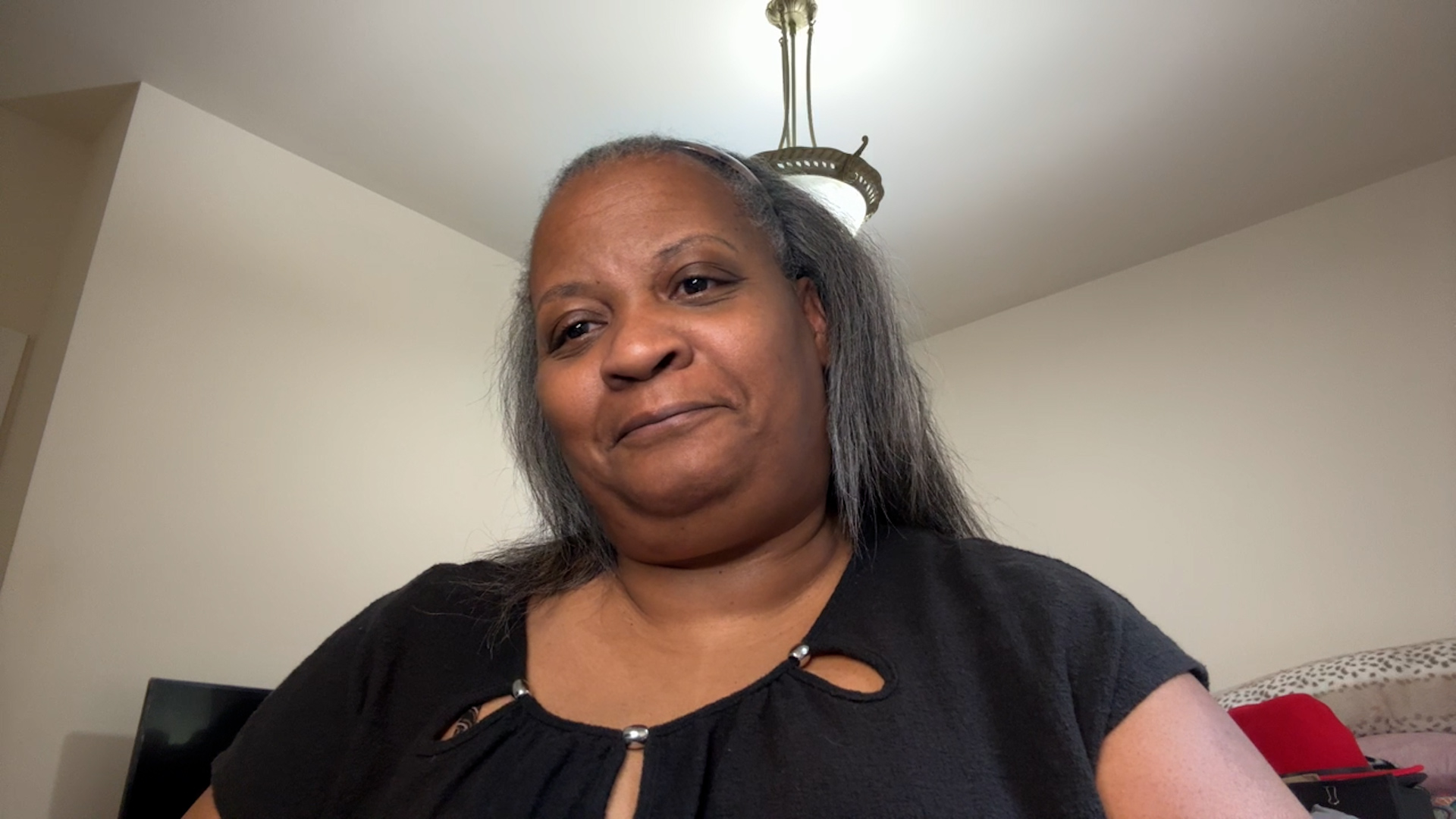
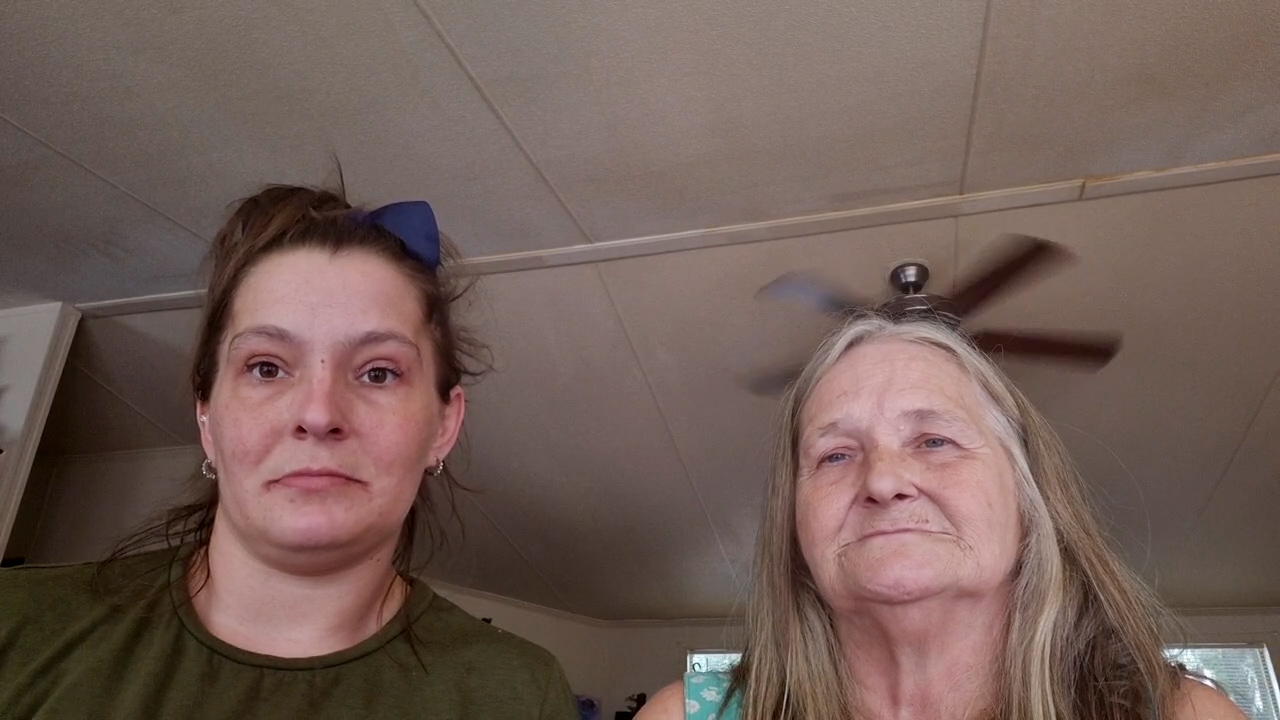
"I didn't know how I was going to do it. I was drowning in paperwork and couldn't afford to quit my job, but I also couldn't leave my dad alone. Givers made keeping my dad at home possible — and now I actually get paid for the care I was already providing."

TM
Tawanna M.
Caregiver for her father ·
North Carolina
MM
Max Mayblum
CSA®
·
Updated  
April 13, 2026
·
Published  
April 13, 2026

Get paid through North Carolina Medicaid

Some states offer extra services through Medicaid waiver programs.

In North Carolina, these waivers let family members get paid for caregiving through Medicaid.

NC Traumatic Brain Injury Waiver
The Traumatic Brain Injury Waiver is a Medicaid program that provides home and community-based services to eligible individuals with TBI who are at risk of institutionalization or currently living in an institution and want to transition to the community.
Learn more
NC Innovations Waiver
Discover the NC Innovations Waiver, a Medicaid HCBS program for individuals with Intellectual or Developmental Disabilities (I/DD), explore caregiver compensation, and find support options.
Learn more
NC Community Alternative Program for Children
The Community Alternative Program for Children (CAP/C) in North Carolina is a Medicaid waiver program that offers home and community-based services to medically fragile children, providing an alternative to institutional care while empowering family caregivers.
Learn more
Check in 30 Seconds

Could you qualify for caregiver pay in North Carolina?

Answer 3 quick questions — no account needed.

Who do you care for?

How much can you earn as a caregiver in North Carolina?

Estimate your potential compensation based on your care level.
Daily stipend
$55–85/day
Weekly estimate
$385–595/wk
Monthly estimate
$1,650–2,550/mo
✓ Tax-free — you keep the full amount

Estimated PCS compensation for light care in

North Carolina

:

Hourly rate
$13/hr
Weekly estimate
$100–180/wk
Monthly estimate
$400–780/mo

Estimated PCS compensation for moderate care in Ohio:

Hourly rate
$13/hr
Weekly estimate
$180–360/wk
Monthly estimate
$780–1,560/mo

Estimated PCS compensation for intensive care in Ohio:

Hourly rate
$13/hr
Weekly estimate
$360–540/wk
Monthly estimate
$1,560–2,340/mo
See what you could earn →

Compare: Nursing home avg is

$9,359

/mo.
What's the difference between PCS and SFC?

There are two main programs that pay family caregivers through Medicaid. Here's how they compare:
Coordinated Caregiving
13 states · Givers' program
Personal Care Services
All 50 states
Compensation
Tax-free daily stipend, up to 365 days/year
Hourly taxed rate, paid for hours worked
Residence
Caregiver and care recipient live together
Do not have to reside together
Care schedule
Flexible, around-the-clock based on daily needs
Care provided during scheduled hours only
Coaching & support
Dedicated care team (RN + coach) with ongoing guidance via app, phone, or video
Limited or no individualized coaching — focus is on the care recipient
Training
Hands-on training + periodic home visits for assessment
Caregiver or agency responsible for training
Compliance
SOC2 · HIPAA · documented care plan
Varies by agency
Who manages
Givers handles onboarding, documentation, and payment
Individual or agency must hire, train, schedule, and manage caregiver(s)
Best for
Family caregivers living with a loved one who needs flexible, daily support
Caregivers providing scheduled hourly care who don't need to live with the recipient

Steps to become a paid family caregiver through Medicaid

1

Use the Givers matching tool

Find programs in your zip code that offer caregiver pay options.

2

Work with case managers through enrollment

Determine care needs and eligibility for in-home care.

3

Complete program-specific requirements

Background check, health exam, trainings, or competency tests.

4

Provide care and document your work

Keep accurate records of caregiving tasks and hours.

5

Receive support and payment

Ongoing support and payment provided by Givers or your agency.

Key stats in North Carolina

 · Source: AARP, 2026 
2.1M
Family caregivers
1.79B
Hours spent per year
$33B
Annual unpaid care value

Why families choose Givers

See how getting paid through Givers compares to other options for caregiving in North Carolina.

Givers
Do it yourself
Nursing home
Monthly cost / pay
Earn up to
$960
/mo
$0 (unpaid)
$9,359
+/mo out of pocket
Enrollment help
Full support
✕ Navigate alone
✕ Not applicable
Care stays at home
✕ Facility-based
Coaching & training
Dedicated team
Provided by facility
Ongoing support
App + care team
Facility staff
Your loved one's comfort
Home with family
Home with family
✕ Unfamiliar setting
Costs to you
Free
Free (but unpaid)
$90,000+/year
Find Support Now

Can you get paid to care for your loved one?

Get paid through Veterans Affairs

Veterans and surviving spouses have several options to pay family caregivers:

PCAFC

Up to $3,391/mo

Stipend + training for primary caregivers of veterans seriously injured in service.

Veteran Directed Care

$8–21/hr

Veterans hire family members as caregivers using a monthly care budget.

Aid & Attendance

Up to $3,845/mo

Covers care costs including family caregivers. VA pension + disability required.

Housebound Allowance

Up to $1,903/mo

For eligible veterans who are mostly homebound. Spouses cannot be paid.

Find your local VA →

Get support through the North Carolina Department of Health and Human Services

The Division of Aging and local Area Agencies on Aging (AAAs) offer key services:
ℹ️ Information & referrals
🔄 Respite care
📋 Caregiver training
👥 Support groups
✅ Access to benefits
Find your local AAA in
North Carolina
FIND SUPPORT NOW

Who are you caring for?

Get tax credit for caregiving

Tax credits can help offset caregiving expenses:
1
Child and Dependent Care Credit (CDCTC)
Up to $3,000 for one dependent or $6,000 for two or more.
2
Child Tax Credit (CTC)
Up to $2,200 per qualifying child under 17.
3
Credit for Other Dependents (ODC)
Up to $500 per dependent (elderly parents, adult children with disabilities).

Other ways to get paid as a family caregiver

1.
Long-term care insurance
May allow funds directed to an informal caregiver.
2.
Employer-sponsored caregiving leave
Some companies offer paid leave to care for loved ones.
3.
Get paid by family
Create a formal personal care agreement for direct family compensation.

Know your caregiver rights and resources

§
CARE Act
Passed in 40+ states. Provides family caregivers with knowledge and skills for safe hospital transitions.
North Carolina
Respite Coalition
Statewide network supporting and promoting respite care services for family caregivers.

Frequently asked questions about caregiving in North Carolina

How much can I get paid as a caregiver in North Carolina?

In North Carolina, family caregivers can earn up to $960 per month through Medicaid waiver programs. Compensation varies by program type — Personal Care Services pays a taxable hourly rate, while Structured Family Caregiving (available in 13 states) pays a tax-free daily stipend. For veterans' caregivers, compensation ranges from $8-21 per hour through the Veteran Directed Care program, or up to $3,391-3,845 per month through PCAFC or Aid & Attendance. Check what you could earn with our free calculator ↑

Who qualifies to get paid as a caregiver in North Carolina?

Family members who are caring for a loved one that requires support with activities of daily living such as bathing, cooking, and transportation, can qualify to get paid as caregivers. In North Carolina, the person receiving care must meet a nursing home level of care to be eligible to receive paid care in the home from a family caregiver. Depending on the program, family caregivers may be required to live in the same home as their loved one and/or not work outside of caregiving in order to qualify.
Do I have to be related to the person I am caring for?
While every program has different rules, generally yes, you must be related by blood or marriage to the person you are caring for to get paid as a caregiver in North Carolina. In certain circumstances some programs allow for close friends or neighbors to act as the caregiver.

Can a spouse be paid as a caregiver in North Carolina?

Spouses are allowed to get paid as family caregivers in certain circumstances in North Carolina. Specific to the Coordinated Caregiving, spouses are allowed to get paid as family caregivers in certain circumstances.

Is there "CDPAP" in North Carolina?

CDPAP stands for the Consumer Directed Personal Assistance Program, a program that allows family members to get paid for providing personal care services to their loved one. While such programs have different names in every state, North Carolina does in fact have programs that pay family caregivers. See if you're eligible
What services does Givers provide?
Givers offers a free interactive tool to match you with caregiver pay and support programs for which you might be eligible in your zip code.

If you qualify for a program that Givers serves, we help you and your loved one with the administration involved in getting enrolled. Once you and your loved one is enrolled, you are required to work with a licensed agency to document your work, get supported, and get paid as their caregivers. Givers can serve as your licensed agency in some states to help you easily meet all requirements.

Even if you don't qualify for a program that Givers serves, we still provide education and resources for you to get in contact with the correct agency and for you to find your way to support. Just fill out this form to get started.
Is Givers really free?
Yes, Givers is really free! Our support is covered by government programs and health insurance.
Is Givers legit?
Givers is Medicaid-licensed Structured Family Caregiving agency available across the US. We have over 50 five star reviews on Google, 93% of caregivers are very satisfied with Givers, and our program has been proven to reduce hospitalizations and caregiver stress. As the only SOC2 compliant Structured Family Caregiving agency in the country, we are the leader in the security and privacy of your information.
How does Givers ensure the privacy and security of my personal information?
At Givers, we take your privacy and security seriously. We are committed to being HIPAA and SOC2 compliant, adhering to stringent standards for protecting sensitive patient health information. Our policies and procedures are designed to ensure that your personal information is handled with the utmost care and confidentiality, using secure technologies and practices. We continuously monitor and update our systems to safeguard your information, giving you peace of mind that your data is in safe hands.
FIND Other STATEs

How other states pay family caregivers

get paid

Apply Now

mother daughter